
About
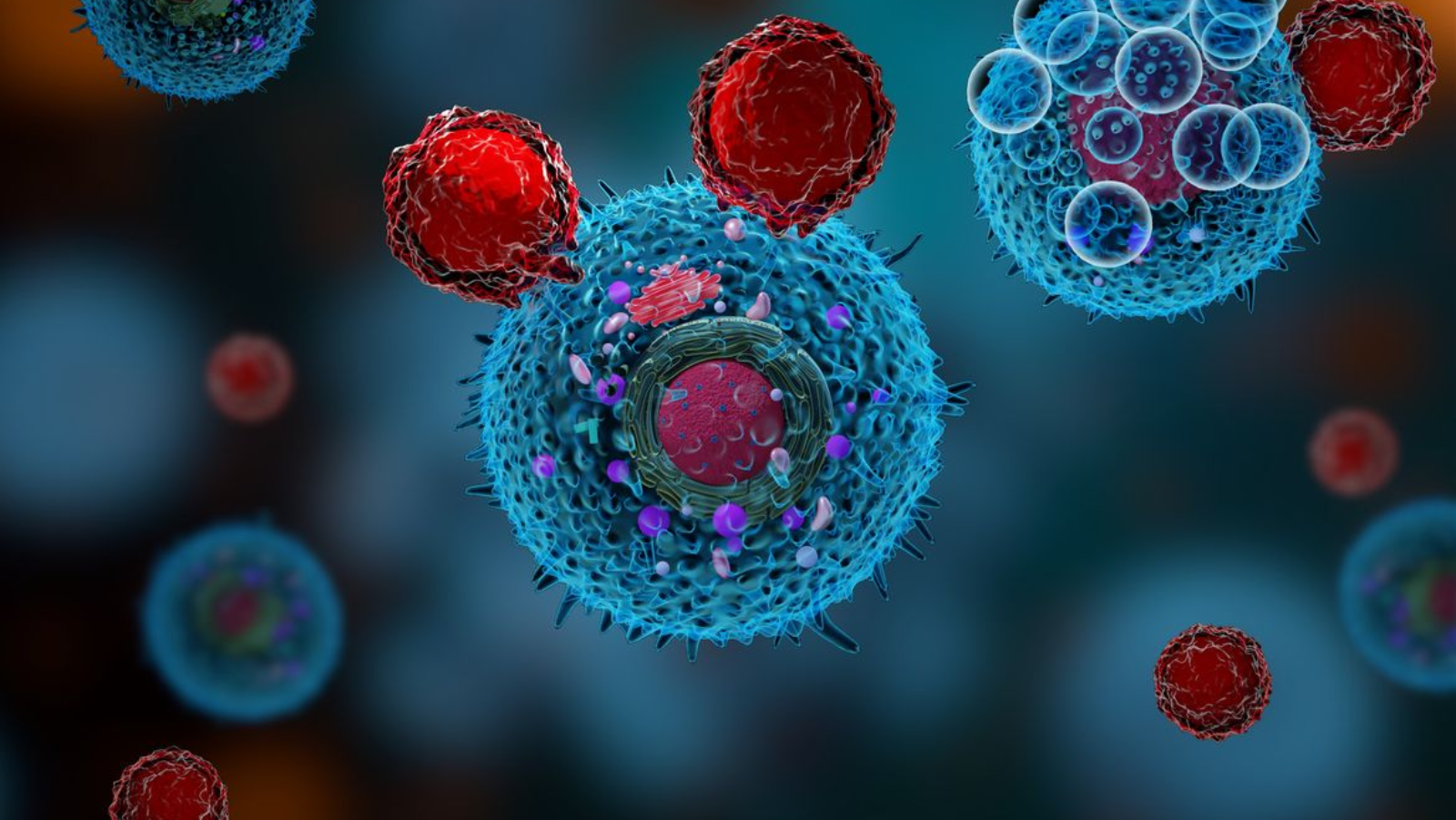
CAR-T cell therapy is an advanced form of immunotherapy used to treat certain cancers by harnessing the power of the immune system. It involves modifying a patient's own T cells to recognize and attack cancer cells more effectively. Here are details on types, side effects, and benefits:
Types of CAR-T Cell Therapy:
1. Autologous CAR-T Cell Therapy: Uses a patient's own T cells that are modified outside the body and then infused back into the patient.
2. Allogeneic CAR-T Cell Therapy: Utilizes T cells from a healthy donor, which are modified to target cancer cells and then given to the patient.
Side Effects of CAR-T Cell Therapy:
1. Cytokine Release Syndrome (CRS): Can cause fever, low blood pressure, and flu-like symptoms due to an excessive immune response.
2. Neurological Toxicity: May lead to confusion, seizures, and other neurological issues due to inflammation in the brain.
3. Cytopenias: Reductions in blood cell counts, including white blood cells, red blood cells, and platelets, can occur.
4. Tumor Lysis Syndrome: Rapid breakdown of cancer cells can lead to metabolic imbalances and kidney problems.
Benefits of CAR-T Cell Therapy:
1. High Response Rates: CAR-T therapy has shown remarkable efficacy in treating certain blood cancers, often achieving complete remission in patients who have exhausted other treatment options.
2. Long-lasting Effects: Some patients experience durable responses to CAR-T therapy, with sustained remissions lasting months to years.
3. Personalized Treatment: CAR-T therapy can be customized to target specific antigens present on cancer cells, offering personalized treatment approaches.
4. Minimal Long-term Toxicity: Unlike traditional chemotherapy, CAR-T therapy typically has lower long-term toxicity since it targets cancer cells specifically.
5. Potential for Cure: In some cases, CAR-T therapy has the potential to cure certain types of cancer, providing hope for patients with aggressive or refractory disease.

.png)